Fortified wine
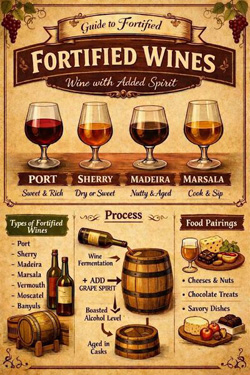
Wines were originally fortified primarily to preserve them during long
sea voyages before modern refrigeration, though winemakers quickly
realised it also allowed them to control sweetness, flavor, and shelf
life.
During the late 19th century, European winemakers turned to imported
American alcohol - primarily high-proof grain spirits distilled from
abundant U.S. corn crops - to fortify wines. This trade surged due to
several distinct economic, agricultural, and industrial forces:
-
The Phylloxera Crisis: Starting in the 1860s, a microscopic aphid
called phylloxera accidentally introduced from North
America devastated European vineyards, destroying over two-thirds of
French vines and spreading across Spain, Portugal, and Italy.
Historically, winemakers fortified wines like Port, Sherry, and
vermouth using grape spirit (brandy) distilled from local surplus
wine. With vineyards dying, local wine production collapsed, causing
severe shortages and driving up the price of European grape spirits.
-
Industrial Scale and Low Cost: By the 1870s and 1880s, the American
Midwest experienced massive industrialisation in agriculture and
distillation. U.S. industrial distilleries produced vast quantities of
high-proof neutral spirit (often called "high wines") from cheap corn.
Even after international shipping costs, American neutral grain
spirits were significantly cheaper than scarcity-plagued European
brandy.
-
Flavor Neutrality for Fortification: Standardized column stills in
the U.S. produced high-purity neutral spirits that lacked strong grain
flavors. This made them ideal for fortifying wines, as the spirit
raised the alcohol by volume (ABV) to stop fermentation and preserve
the liquid without distorting the flavor profile. Major European ports
like Marseille and Barcelona imported millions of gallons of U.S.
grain spirit to stretch brandy stocks and stabilise fortified exports.
The Decline of the Trade: This practice dropped off significantly
around 1900. European wine industries recovered by grafting European
vines onto pest-resistant American rootstocks, restoring local grape
spirit production. Simultaneously, major wine-producing nations
enacted strict appellation laws (such as French Appellation d'Origine
Contrôlée regulations) that legally mandated the use of grape-derived
spirits for wine fortification.